
Health Wellness
The Hormone Reset: What Every Woman Needs to Know about Menopause to Feel Amazing Again
Creator: Mel Robbins
What You'll Learn
- Understand the physiological changes during perimenopause and menopause and how they affect your body.
- Implement effective strength training and HIIT strategies to combat muscle loss, weight gain, and other symptoms.
- Optimize nutrition, manage stress, and improve sleep to enhance overall well-being during the menopausal transition.
Video Breakdown
Dr. Stacy Sims discusses menopause as a natural transition, emphasizing the importance of understanding hormonal changes and adopting lifestyle adjustments like strength training and proper nutrition. The video explores the impact of decreasing estrogen and progesterone on various bodily functions, highlighting the benefits of strength training and HIIT for managing symptoms and improving overall well-being. It debunks common misconceptions about hormone therapy and weightlifting, empowering women to take control of their health during perimenopause and menopause through informed choices and personalized strategies.
Key Topics
Menopause Transition
Hormonal Changes
Strength Training Benefits
Estrogen and Progesterone
Muscle Loss Prevention
Visceral Fat Reduction
Video Index
Understanding Menopause and Hormonal Changes
This module introduces menopause as a natural process and discusses the importance of understanding ...
This module introduces menopause as a natural process and discusses the importance of understanding hormonal changes and their impact on the body.
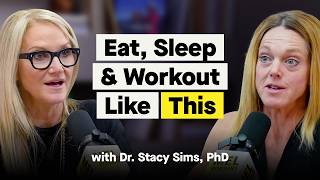
Introduction to Menopause
0:00 - 12:02
An introduction to Dr. Stacy Sims and the concept of menopause as a natural transition, emphasizing education and empowerment.
Menopause
Hormonal Changes
Reverse Puberty
Women'S Health
The Impact of Hormonal Decline on Body Functions
This module explores the effects of decreasing estrogen and progesterone levels on various bodily fu...
This module explores the effects of decreasing estrogen and progesterone levels on various bodily functions, including brain function, mood, and metabolism.
Estrogen, Progesterone, and Brain Function
12:00 - 18:02
Explains how decreasing estrogen and progesterone affect neurotransmitters and mood.
Estrogen and Progesterone
Neurotransmitters and Mood
Muscle Strength, Gut Health, and Brain Metabolism
18:02 - 24:04
Discusses the impact of hormonal changes on muscle strength, gut microbiome, and brain metabolism.
Muscle Strength and Tendons
Gut Microbiome and Serotonin
Brain Metabolism and Inflammation
Adapting to Menopause: Strength Training and Hormone Therapy
This module focuses on the physiological changes during menopause and emphasizes the importance of s...
This module focuses on the physiological changes during menopause and emphasizes the importance of strength training and understanding hormone therapy.
Physiological Changes and Fat Storage
24:02 - 30:03
Discusses fat storage and muscle loss during menopause.
Visceral Fat
Muscle Loss
Strength Training and Hormone Therapy
30:03 - 36:05
Clarifies the difference between MHT and HRT and emphasizes the role of strength training.
MHT vs HRT
Strength Training
Central Nervous System
Exercise Strategies for Perimenopause and Postmenopause
This module explores the benefits of strength training and HIIT for women in perimenopause and postm...
This module explores the benefits of strength training and HIIT for women in perimenopause and postmenopause, emphasizing quality over quantity.
Benefits of Strength Training and HIIT
36:03 - 42:04
Discusses the benefits of strength training and HIIT for women.
Strength Training for Women
High-Intensity Interval Training (HIIT)
Practical Advice on Exercise
42:04 - 48:06
Provides practical advice on starting and progressing with strength training and HIIT.
Perimenopause and Postmenopause Exercise
Quality vs Quantity in Exercise
Sprint Interval Training
Nutrition, Stress Management, and Sleep Improvement
This module covers the importance of nutrition, stress management, and sleep improvement for women i...
This module covers the importance of nutrition, stress management, and sleep improvement for women in perimenopause and menopause.
Strength Training and Nutrition Myths
48:03 - 54:06
Debunks myths about strength training and highlights nutrition mistakes.
Strength Training
Nutrition for Menopause
Stress and Sleep Strategies
54:06 - 1:00:09
Discusses strategies for managing stress and improving sleep.
Stress Management
Sleep Improvement
Empowerment and Individualized Adaptation
This module emphasizes the empowering effects of lifestyle changes and the importance of adapting to...
This module emphasizes the empowering effects of lifestyle changes and the importance of adapting to individual bodily changes.
The Empowering Effects of Lifestyle Changes
1:00:06 - 1:03:44
Discusses the empowering effects of strength training, sprint training, diet, and sleep.
Strength Training
Menopause
Stress Resilience
Embracing Change and Taking Control
1:03:44 - 1:07:23
Emphasizes the importance of understanding and adapting to individual bodily changes for a better life.
Individualized Adaptation
Empowerment
Questions This Video Answers
What is menopause and how is it described in the video?
Menopause is described as a natural process, similar to reverse puberty, characterized by hormonal changes that impact various bodily systems.
How does decreasing estrogen and progesterone affect the body?
Decreasing estrogen and progesterone levels can affect brain function, mood, metabolism, muscle strength, gut health, and lead to increased visceral fat storage.
What are the benefits of strength training during menopause?
Strength training helps combat muscle loss, improves metabolism, enhances bone density, and promotes stress resilience.
What is the difference between HRT and MHT?
The video clarifies the difference between hormone replacement therapy (HRT) and menopause hormone therapy (MHT), suggesting MHT is a more nuanced approach.
How can HIIT benefit women in perimenopause and postmenopause?
HIIT can improve cardiovascular health, boost metabolism, and enhance overall fitness, but it's important to prioritize quality over quantity and avoid overtraining.
What are some nutrition strategies for managing menopause symptoms?
Focus on adequate protein intake, manage carbohydrate consumption, and address potential nutrient deficiencies to support hormonal balance and overall health.
How can stress management and sleep improvement help during menopause?
Managing stress through mindfulness and improving sleep quality with supplements like L-theanine and creatine can positively impact mood, energy levels, and overall well-being.
How can women adapt to bodily changes during menopause?
By understanding individual bodily changes and adapting lifestyle choices, including exercise, diet, and stress management techniques, women can empower themselves to navigate menopause effectively.
Related Videos
Want to break down another video?
Break down another video